
Private Voice Lessons for Musical Theater
Vocal Coaching for Auditions, Roles, and Stage Performance
What You’ll Learn in Our In-Person or Online Voice Lessons for Musical Theater
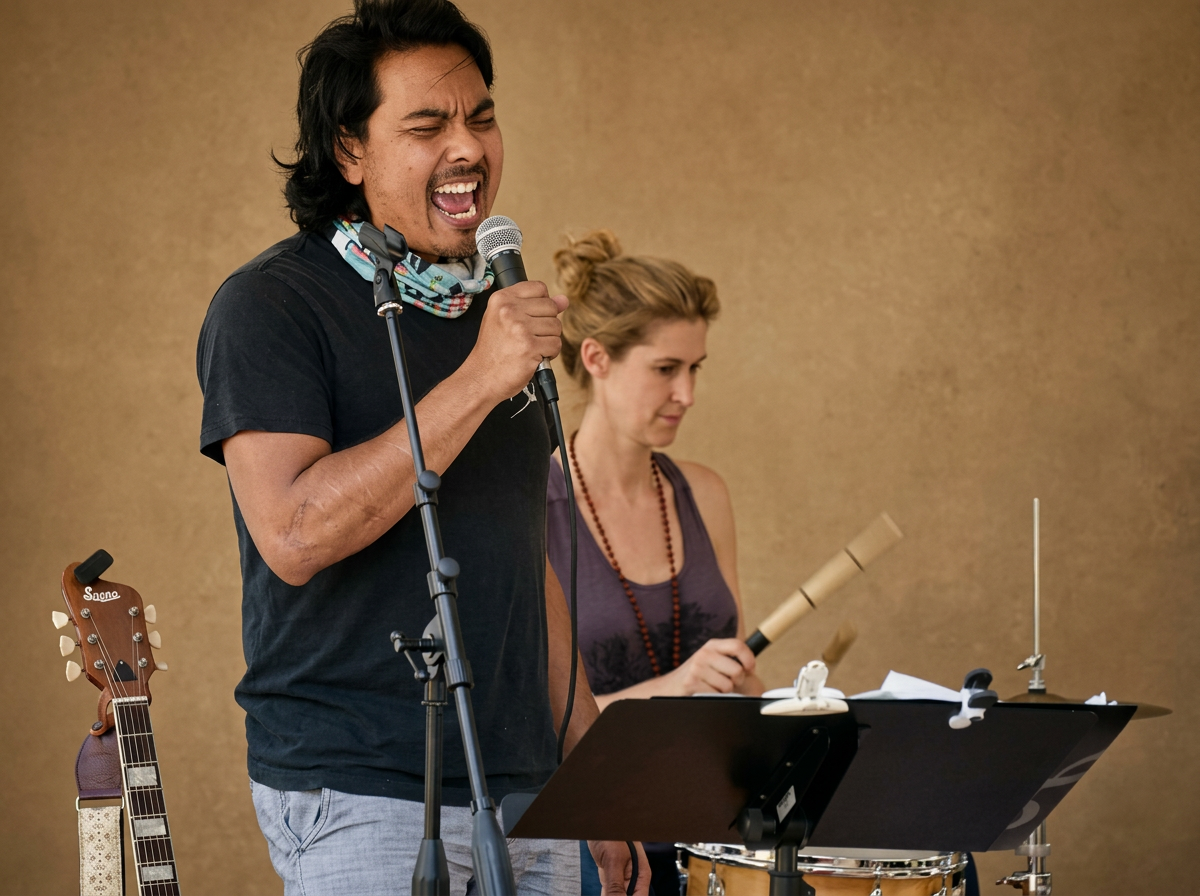
Musical theater asks you to do more than sing accurately. You have to communicate a story, embody a character, respond to dramatic circumstances, and make vocal choices that remain reliable under the pressure of an audition, rehearsal, or live performance. True Voice lessons can help you connect those demands rather than treating singing and acting as separate skills.
Voice lessons for musical theater can include technique, breath support, range, resonance, phrasing, vocal stamina, acting through song, audition preparation, interpretation, and performance confidence. Coaching can be adapted to your current role, audition material, experience level, and the particular vocal style a song requires.
You may learn how to:
Build a healthier and more reliable vocal foundation
Improve range, resonance, control, and stamina
Navigate register transitions more comfortably
Adapt technique to different musical theater styles
Make clear storytelling and character choices
Shape phrasing around lyrics and dramatic intention
Prepare audition cuts and callback material
Build confidence performing under pressure
Use movement and physicality without losing vocal support
Prepare for both live and virtual auditions
Why You Should Say Yes to Voice Lessons for Musical Theater
Technique for Different Musical Theater Styles
Musical theater repertoire can ask for very different sounds. A singer may move from a speech-like contemporary song to a more sustained legit piece, a character number, or material that requires greater intensity and range. Good coaching helps you understand how to make stylistic choices without abandoning healthy coordination.
Rather than chasing a sound by pushing harder, lessons can explore breath, resonance, vowels, registration, articulation, and the physical organization that supports the style. The goal is a voice flexible enough to serve the material while remaining sustainable through rehearsals and performances.
Acting Through Song, Storytelling, and Character
A technically strong performance can still feel disconnected if the singer is only concentrating on notes. Musical theater lessons can help you understand what the character wants, what changes during the song, and how musical details such as phrasing, dynamics, articulation, and breath can support the story.
This work can also reduce the feeling that you need to “perform harder.” When vocal choices grow naturally from the text and character, the performance can become more specific and believable. You can practice staying connected to intention even when nerves, choreography, or technical demands compete for your attention.
Audition and Performance Preparation In Person or Online
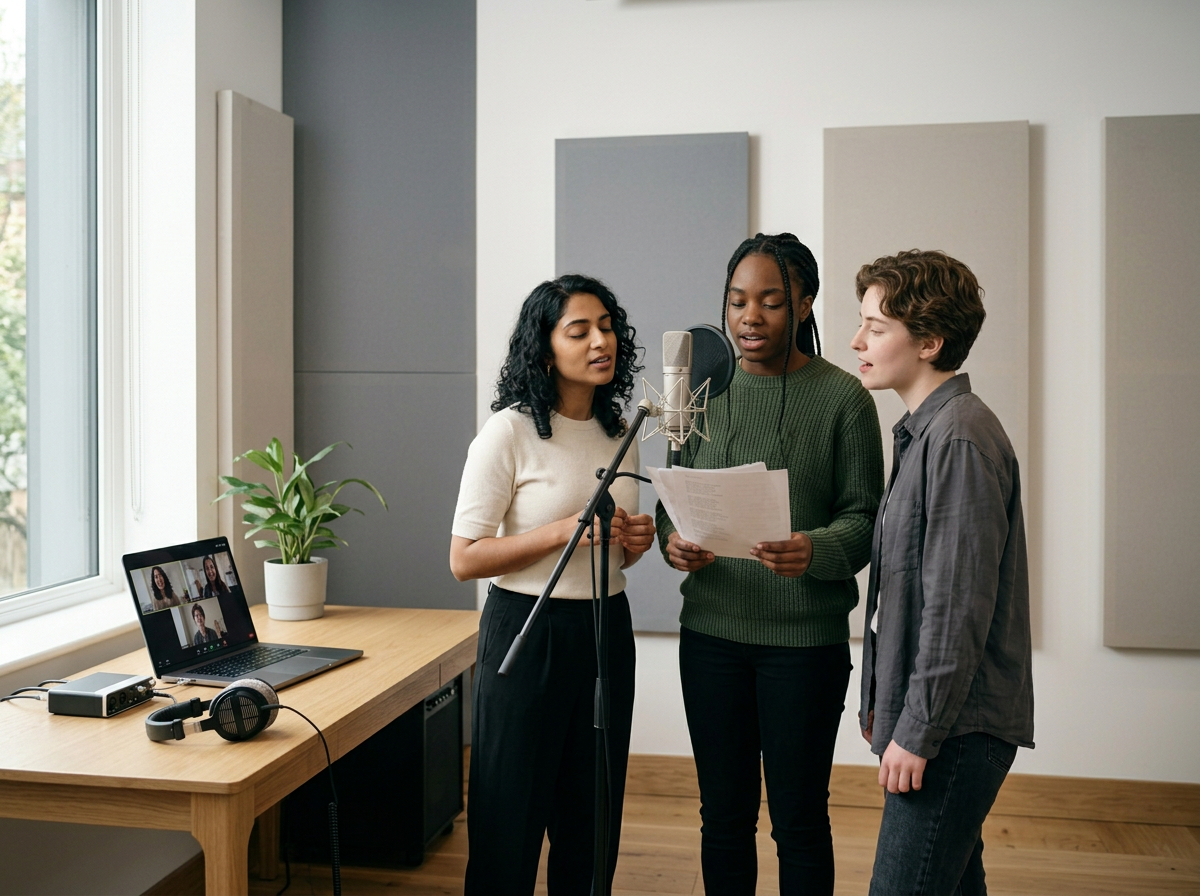
In-person coaching gives musical theater performers space to work on movement, presence, projection, and the full physical experience of performing for another person. The Asheville studio can also support microphone practice and other performance skills when they are relevant to the material.
Online coaching is particularly useful for virtual audition preparation because you can work within the same camera-and-screen environment you will use when submitting or performing remotely. Students can also combine in-person voice lessons in Asheville with private singing lessons online as rehearsal and audition schedules change.
Get Started on Your Journey Today!
Bring Your Audition Cut, Role, or Musical Theater Goals Into the Lesson!
True Voice can work with students who are preparing for an upcoming audition as well as performers who want longer-term vocal development. Choose from 30-, 45-, and 60-minute sessions and work in Asheville, online, or through a hybrid approach that adapts as rehearsals, callbacks, and performances evolve.
Our Singing & Performance Programs

-
Work with an instructor in a supportive Asheville studio environment. In-person lessons offer focused vocal coaching, room to explore sound, somatic awareness, and personalized guidance for technique, performance, breath support, creativity, and confidence. Explore our Sing Club performance and/or creative expression workshops to take your voice a step forward in freedom to do whatever you are drawn to!

-
Our online and hybrid voice lessons offer flexible support for students who want consistent vocal coaching, performance guidance, and creative development without needing to be in the Asheville studio every week.

-
There is nothing like the feeling of the vibrations of harmonic blend. Build confidence in holding your harmonic part while listening and responding to other voices. Harmony lessons can support couples, families, small groups, full bands, and individual singers who want to better understand intervals, harmonic improvisation and spontaneous blend.

-
Develop a freer, more grounded and more expressive speaking voice. Our supportive approach to sharing your voice in any medium can give you the tools you need for confidence in auditions, presentations, the theatre, monologues, storytelling, public speaking, or everyday communication.

-
Prepare to share your voice with greater focus and freedom. Performance coaching can address stage presence, interpretation, microphone use, movement, audience connection, rehearsal habits, and the transition from practicing a song to communicating it. Our Sing Club workshops blend practical vocal technique with mind-body awareness, confidence-building, and the opportunity to perform in the student Sing Club workshops and local music venues! Or we’ll guide you through recording your own songs with confidence!

-
Learn practical ways to work with nervousness before auditions, performances, presentations, or other high-pressure situations. Sessions may combine preparation strategies, breath and body (somatic) awareness, reframing, and gradual exposure to public performances to help performance anxiety feel more manageable. Explore our Sing Club performance and/or creative expression workshops to take your voice a step forward in freedom to do whatever you are drawn to!
-
Explore the relationship between your voice, body, emotions, and nervous system through gentle, voice-centered practices. Gaining awareness of the somatic connection with voice may be especially supportive for people who feel blocked, disconnected, tense, or self-conscious when singing or speaking.
Who Else We Work Best With
-
Young singers can build healthy habits, musical confidence, and a stronger understanding of their voices in age-appropriate sessions. Lessons may include favorite songs, vocal exercises, performance preparation, creativity, and guidance for practicing without strain. AND some songwriting guidance if that is a focus.

-
Couples and families can use singing lessons to build confidence, learn harmony, prepare meaningful songs, or just to create a shared musical practice. Sessions can be adapted for different ages, experience levels, and reasons for wanting to sing together.

-
You do not need previous training, music-reading skills, a large vocal range, or confidence performing in front of others. Beginners receive clear, encouraging guidance that helps them understand the basics while making room for curiosity and gradual growth. And the opportunity to sing on stage if that is a desire.
-
Groups and bands can work on blend, harmony, arrangement, communication, performance, and the vocal demands of shared music-making. Coaching can be tailored to a specific song, upcoming performance, rehearsal challenge, or broader group goal.
-
Singers, musicians, actors, teachers, speakers, and other professional voice users can receive targeted support for demanding schedules and specific performance needs. Lessons may focus on stamina, consistency, recovery, preparation, expression, healthy voice practices, somatic breath and awareness or sustainable vocal use.
-
Online voice lessons can support adults who are beginning, returning to music, pursuing professional goals, or simply looking for a meaningful creative practice. Lessons are adapted to your experience, interests, schedule, and inspiration for wanting to sing.
What Our Musical Theater Voice Students Are Saying
Meet Your Musical Theater Voice Instructors
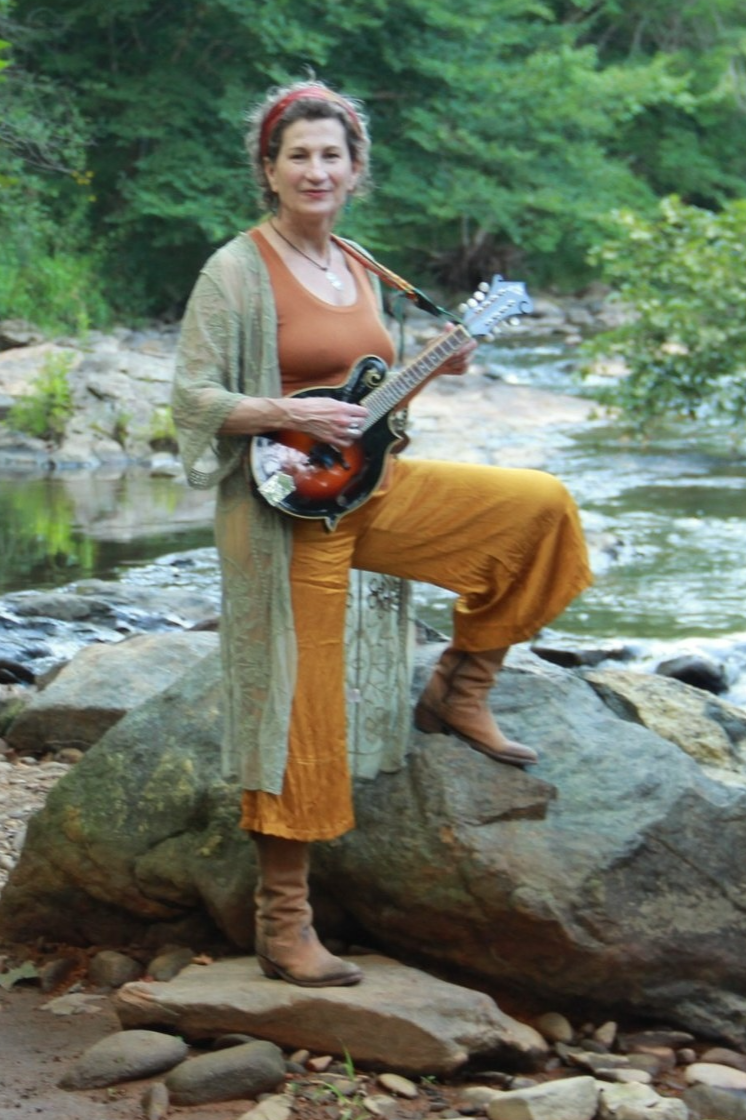
Virginia Drake is a vocal coach, professional singer~songwriter, musician, performance coach, and the founder of True Voice Lessons in Asheville, NC. After years of formal study in musical theater and voice, she went on to perform as a jazz vocalist, indie folk singer-songwriter, and multi-instrumentalist across multiple genres. Her teaching blends practical vocal technique with mind-body awareness, confidence-building, and the opportunity to perform in her student Sing Club workshops and local music venues! Virginia brings warmth, experience, and a deep love of singing into every lesson, helping students find a voice that feels strong, expressive, and authentically their own.
Virginia Drake

Graciela Serena is a professional singer-songwriter, vocal mentor, expression coach, and performer whose work blends music, embodied practice, and emotional truth. As an artist, she creates bluesy pop-rock music with raw, soulful vocals and lyrics rooted in vulnerability, empowerment, and self-expression. In her coaching, Graciela helps students reconnect with the voice beneath fear, conditioning, and self-consciousness. Her lessons support singers and speakers who want to build confidence, express themselves more freely, and feel more at home in their voice.
Graciela Serena
Frequently Asked Questions About Voice Lessons for Musical Theater
-
Yes. Audition coaching can address vocal technique, song interpretation, audition cuts, phrasing, character choices, confidence, and how you enter and communicate within a short amount of performance time. You can bring material you have already chosen or discuss what the audition requires with your instructor.
Lessons can also help you identify technical moments that become less reliable under pressure. By rehearsing those areas alongside the storytelling, you can walk into the audition with a clearer plan instead of hoping the voice behaves differently once nerves appear.
-
Yes. Musical theater singing is storytelling, so interpretation and character can be an important part of lessons. You may explore the lyrics, circumstances, objective, emotional shifts, phrasing, and physical choices that help a song feel grounded in a specific dramatic moment.
The technical and dramatic work often support one another. When you understand what you are communicating, breath and phrasing choices can become more intentional. At the same time, stronger technique gives you more freedom to stay connected to the scene instead of worrying constantly about the next note.
-
Yes. Musical theater encompasses a wide range of vocal styles, and coaching can be shaped around the material you are performing. Different songs may call for different balances of speech-like sound, sustained resonance, intensity, articulation, dynamics, and stylistic phrasing.
Rather than applying one vocal sound to every piece, lessons can help you build flexibility. Your instructor can work with the actual repertoire you need while helping you make stylistic choices that feel effective and sustainable.
-
Yes. Online lessons can be especially practical for song preparation, vocal technique, interpretation, self-tape auditions, and virtual callbacks. Because you are already singing through a camera, your instructor can also give feedback on framing, visual communication, accompaniment, pacing, and how your performance reads on screen.
In-person lessons may be preferable when you want to work more extensively on physicality, stage presence, or studio performance. Students near Asheville can combine both formats depending on the stage of their audition or rehearsal process.
-
No. Students can begin musical theater lessons while preparing for a first audition, exploring the genre for fun, participating in school or community productions, or developing toward more advanced performance goals. Lessons are adapted to the singer’s current level.
Beginners may spend more time learning vocal foundations and building confidence alongside repertoire. More experienced performers may focus on stylistic details, endurance, challenging material, callbacks, character, or maintaining consistency during an active rehearsal schedule.
-
Weekly lessons are useful for ongoing development because they provide time to practice between sessions while maintaining momentum. If you have an audition or performance approaching quickly, additional focused coaching may sometimes be helpful for specific material.
Your schedule should reflect the timeline and demands of the project. An audition several months away allows time for broader development, while a last-minute callback may require a highly focused session on a few critical choices. Your instructor can help you prioritize.
Musical Theater Voice Lessons: Prices & Packages
True Voice offers 30-, 45-, and 60-minute lessons for musical theater singers, with options for in-person coaching in Asheville, live online instruction, and hybrid learning. Sessions may support ongoing vocal development or focus specifically on an audition, callback, role, or upcoming performance.
Pricing varies based on lesson length, frequency, instructor, and the type of coaching you need. When you reach out, share your experience level, the material or production you are working on, and any important audition or performance dates so we can help recommend an appropriate format.
Get Started on Your Journey Today!
Build a Voice That Can Serve the Song, Character, and Story!
Bring the repertoire you are excited about and the challenges you want to solve. True Voice can help you strengthen technique, make clearer dramatic choices, prepare for auditions, and feel more confident carrying your work from the practice room to the stage.